
Call us now :08071781129
 Send Inquiry

 Send Inquiry
Pump Mechanical Seals
Price 1500 INR/ Piece
MOQ : 1 Piece
Pump Mechanical Seals Specification
- Application
- Water pumps, Oil pumps, Chemical pumps
- Theory
- Dynamic sealing by axial pressure
- Hardness
- Shore 70-90A (Rubber parts)
- Usage
- Industrial
- Style
- Single spring mechanical seal
- Material
- Steel
- Temperature
- -20C to 180C
- Product Type
- Pump Mechanical Seals
- Pressure
- Up to 10 Bar
- Speed
- Up to 20 m/s
- Color
- Sliver
- Function
- Prevents leakage between stationary and rotating parts
- Size
- Varies typically from 12mm to 100mm
- Structure
- Seal faces, secondary seal, spring, retainer
- Seal Face Material
- Silicon Carbide, Tungsten Carbide, Carbon
- Corrosion Resistance
- High, suitable for aggressive chemicals
- Maintenance
- Replaceable and serviceable
- Working Medium
- Water, Oil, Chemicals, Slurries
- Operation Type
- Rotary
- Secondary Seal Material
- Viton, EPDM, NBR
- Leakage Rate
- Minimal (as per manufacturer specification)
- Compatibility
- Fits standard and customized pump models
- Installation
- Axial or radial fitting
- Spring Material
- Stainless Steel (SS304, SS316)
Pump Mechanical Seals Trade Information
- Minimum Order Quantity
- 1 Piece
- Supply Ability
- 1 Piece Per Week
- Delivery Time
- 1 Week
- Main Domestic Market
- Rajasthan, Haryana, Delhi
About Pump Mechanical Seals
Pump Mechanical Seals manufactured and supplied by our company can be used in medium to high pressure pumps to prevent leakages as well as ensure smooth operation that leads to longer service life. It is fixed with a coiled spring that acts as a suspension to prevent damages from uneven vibrations. It is fabricated by using advanced production technologies that makes it free from manufacturing flaws. Buy from us Pump Mechanical Seals as per your demands within the price range of 1000 to 2000 INR per piece.
| Material | Epdm Rubber |
| Usage/Application | Industrial |
| Pressure | 14 bar |
| Color | Brown |
| Seal Faces | Silicon carbide, carbon, tungsten carbide |
| Shaft Diameter | 65 mm |
| Size | 1-5 inch |
Versatile Material Selection for Optimal Performance
The seal faces are made from Silicon Carbide, Tungsten Carbide, or Carbon, each chosen for strength, corrosion resistance, and compatibility with a wide range of fluids. These advanced materials, paired with high-performance elastomers and stainless steel springs, deliver exceptional durability for industrial pumps exposed to aggressive media.
Engineered for Industrial Efficiency and Safety
Every component, from the single spring design to the replaceable secondary seals, ensures reliable dynamic sealing. The structure prevents leaks between stationary and rotating parts, minimizes maintenance frequency, and supports safe operation in critical processes. The seals are serviceable onsite, adding value in high-demand settings.
Flexible Application Across Industries
Suitable for water, oil, and chemical processing, these mechanical seals adapt to various pump types with sizes ranging from 12 mm to 100 mm. Their broad compatibility and high resistance to temperature extremes (-20C to 180C), speed, and pressure make them a trusted choice for manufacturers and service providers throughout India.
FAQ's of Pump Mechanical Seals:
Q: How does the mechanical seal prevent leakage in pumps?
A: The seal creates a tight dynamic barrier between the stationary and rotating parts of the pump using advanced seal face materials and a single spring mechanism. This arrangement, combined with robust secondary elastomer seals, ensures minimal leakage, even in demanding fluid environments.Q: What types of pumps are these mechanical seals compatible with?
A: These seals are suitable for standard and custom models of water, oil, and chemical pumps operating in industries requiring high corrosion resistance and minimal leakage. They are commonly used in industrial, chemical processing, and slurry transfer applications.Q: When should the mechanical seal be replaced or serviced?
A: Mechanical seals should be inspected periodically and replaced if there is visible wear, leakage, or loss of performance. Their replaceable and serviceable design allows for efficient onsite maintenance, increasing pump uptime and reducing operational disruptions.Q: Where can these mechanical seals be installed?
A: These seals support both axial and radial installation, making them suitable for a wide range of pump setups. They are used across various industrial sectors throughout India due to their adaptable fit and robust construction.Q: What is the process for fitting and maintaining these seals?
A: Installation is straightforward, involving the correct alignment of the seal faces, secondary elastomer seal, and spring components. Maintenance involves periodic inspection for wear, cleaning, and timely replacement of seal components to preserve optimal performance and prevent leakage.Q: How do the materials contribute to the seal's corrosion resistance?
A: Materials like Silicon Carbide, Tungsten Carbide, and Carbon for seal faces, along with Viton, EPDM, NBR elastomers, and SS304/SS316 springs, provide high resistance against corrosion from aggressive chemicals, water, and oils, ensuring dependable operation over an extended period.Q: What are the benefits of using these mechanical seals in industrial applications?
A: These seals offer minimal leakage, enhanced durability, and reliable performance in harsh chemical environments. Their robust construction and serviceable design lead to reduced downtime, improved safety, and long-term cost savings for industrial operations.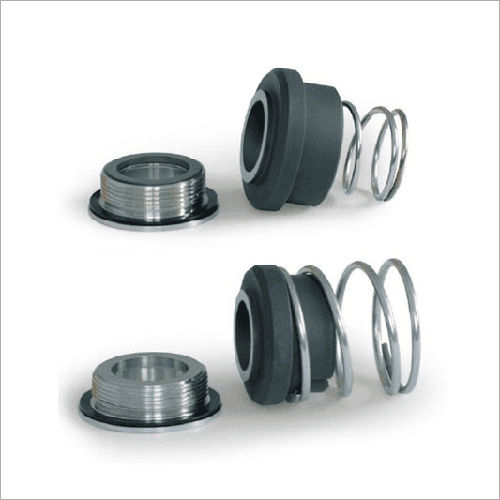
Tell us about your requirement

Price:
Quantity
Select Unit
- 50
- 100
- 200
- 250
- 500
- 1000+
Additional detail
Mobile number
Email

More Products in Mechanical Seal Category
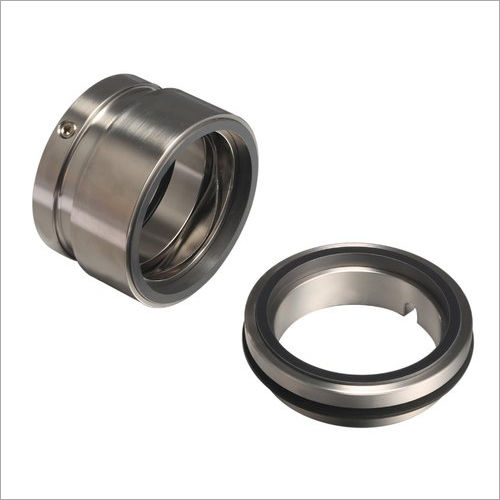
Wave Spring Mechanical Seals
Price 3500 INR / Piece
Minimum Order Quantity : 1 Piece
Color : Sliver
Product Type : Wave Spring Mechanical Seals
Usage : Industrial
Material : Other, Stainless Steel, Carbon, Silicon Carbide, Ceramic
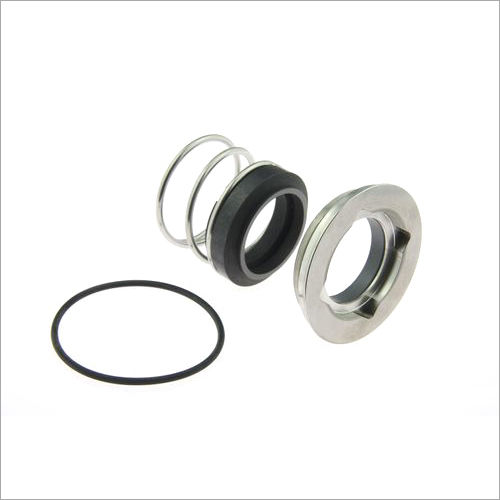
Alfa Laval Mechanical Seals
Price 1500 INR / Piece
Minimum Order Quantity : 1 Piece
Color : Sliver
Product Type : Alfa Laval Mechanical Seals
Usage : Industrial
Material : Metal

CRI Pump Mechanical Seals
Price 2000 INR / Piece
Minimum Order Quantity : 1 Piece
Color : Sliver
Product Type : CRI Pump Mechanical Seals
Usage : Industrial
Material : Other, Stainless Steel
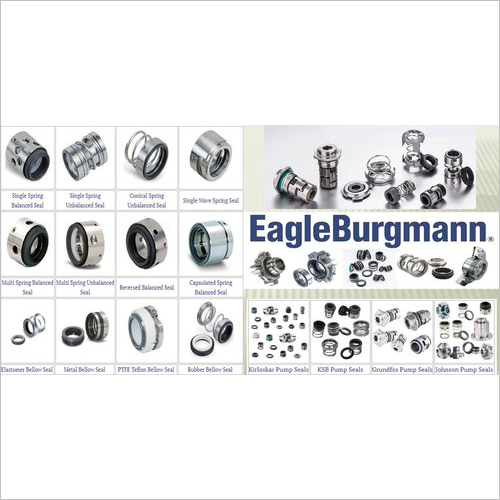
Mechanical Seal
Price 25 INR / Piece
Minimum Order Quantity : 50 Pieces
Color : Sliver
Product Type : Mechanical Seal Rings
Usage : Industrial
Material : Other, Steel


 Send Inquiry
Our Products


C-83, First Floor, Mayapuri Industrial Area, Phase-Ii, New Delhi - 110064, India

Ms Neema
(Partner)
Mobile :08071781129
 Send Inquiry
 Send SMS
 Call Me Free

Developed and Managed by Infocom Network Private Limited.


